


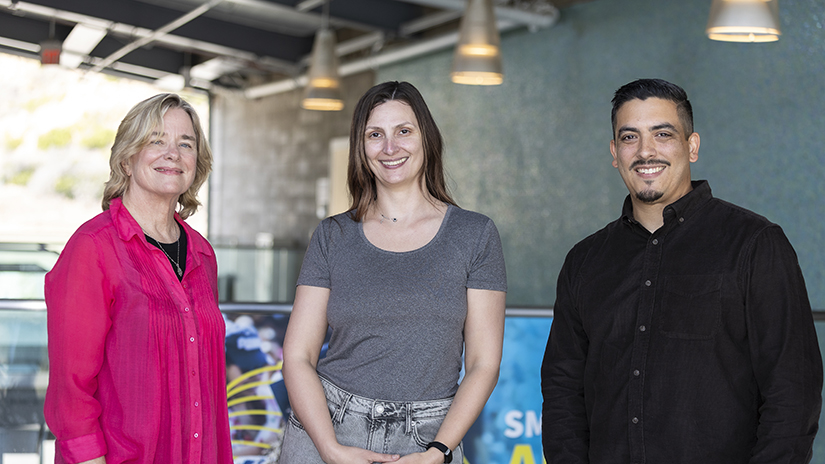
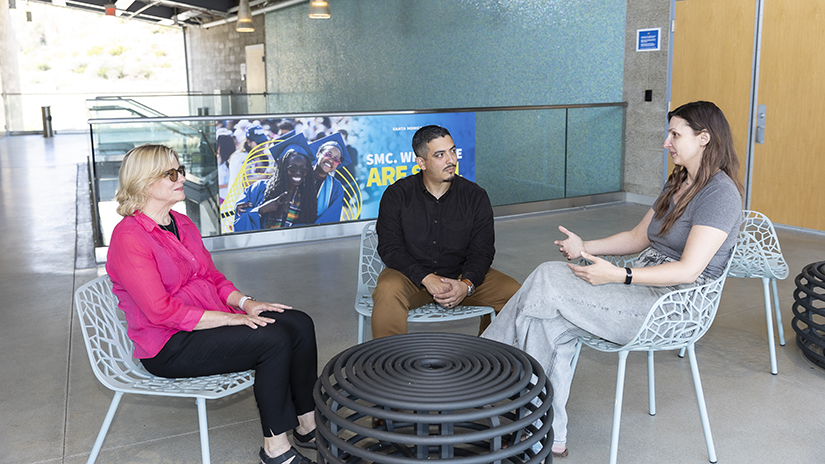
Liz, Luis, and Nadya at SMC Malibu
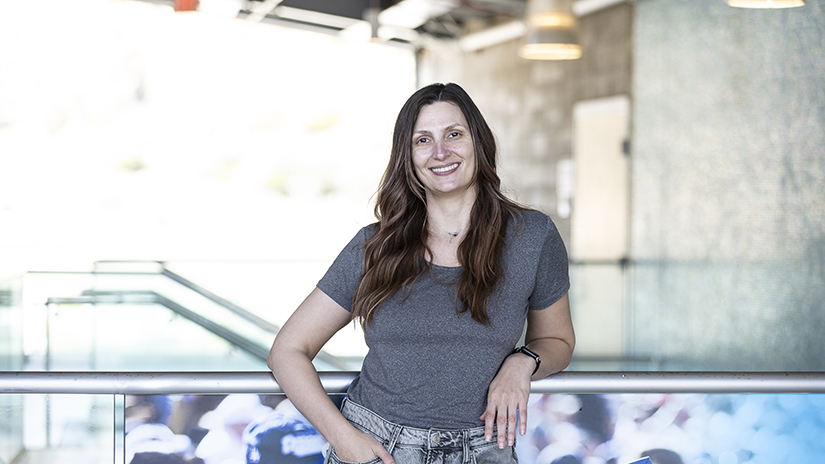
Nadya at the SMC Malibu Campus
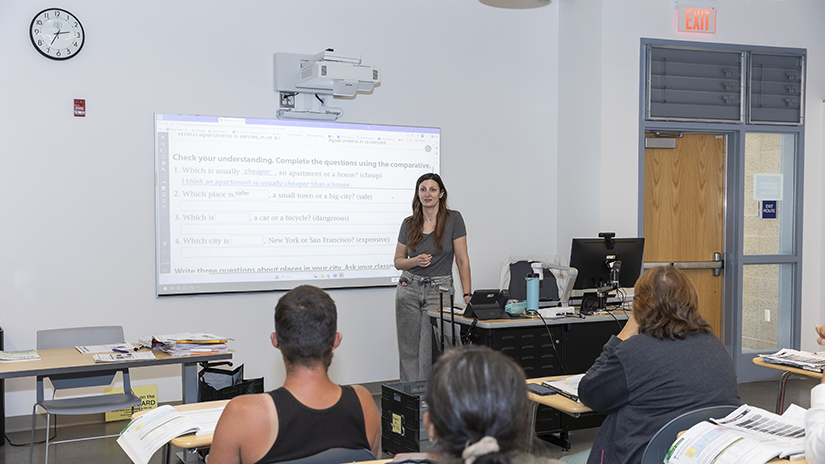
Nadya teaching the noncredit ESL class at SMC Malibu
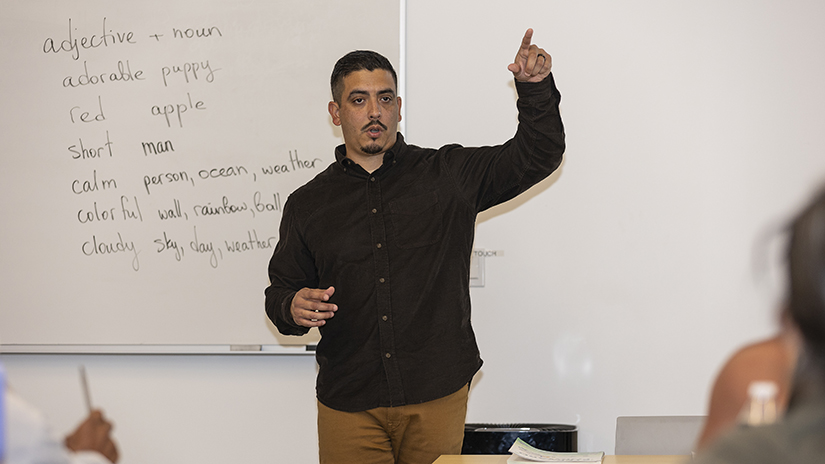
Luis speaks to ESL students
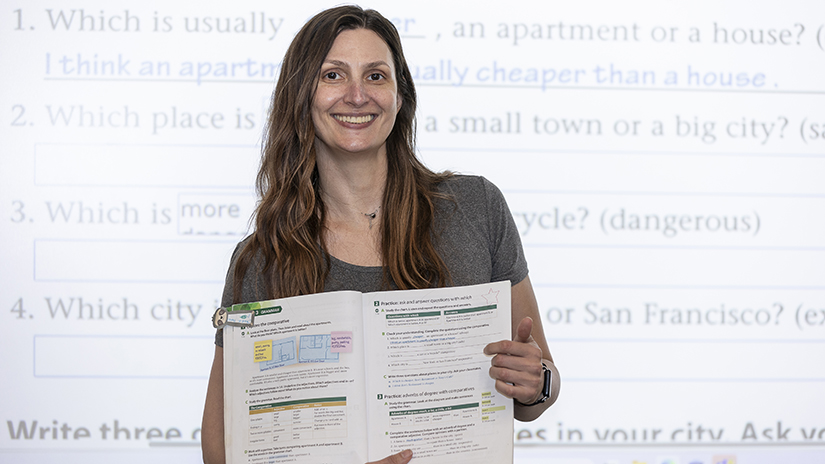
Nadya in the classroom
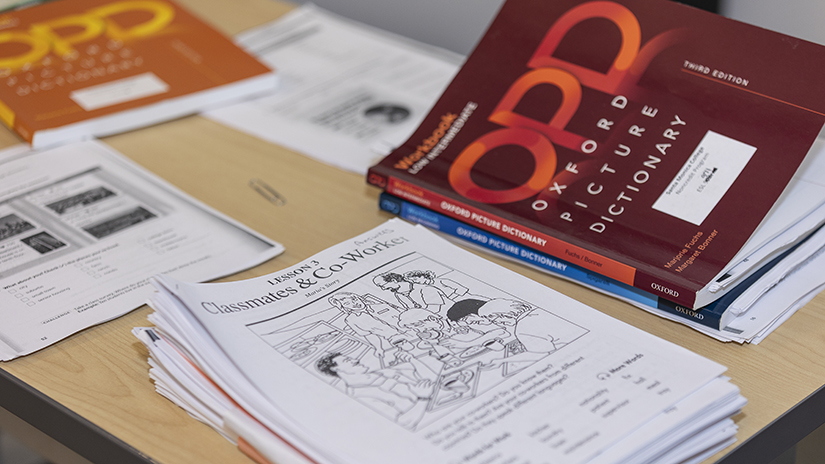
Noncredit ESL class materials
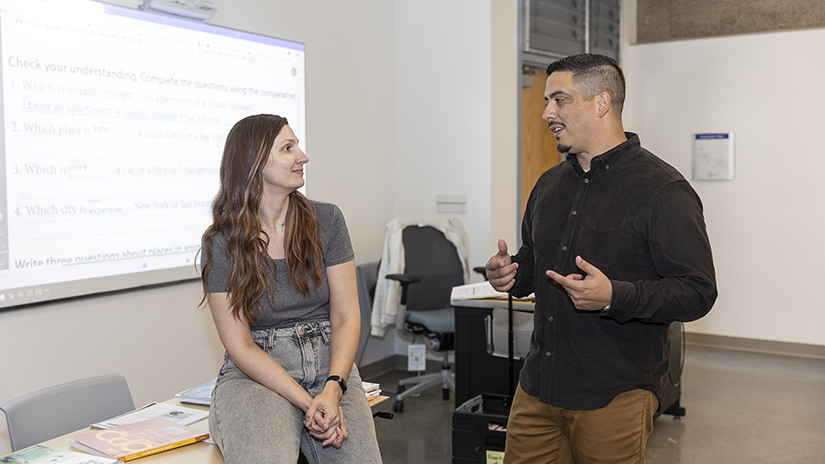
Nadya Lederer & Luis Jauregui
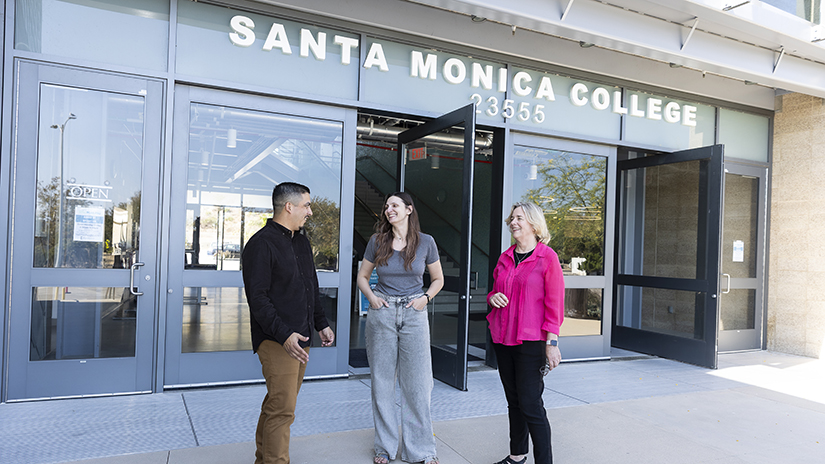
Luis, Nadya & Liz outside of the Santa Monica College Malibu Campus

For adult learners, the new noncredit English as a Second Language course at Santa Monica College’s Malibu Campus can offer a key step toward achieving their career goals.
One student had lived and worked in the United States for nearly 35 years but was only just beginning his educational journey here. Now, through this free noncredit ESL course, he and classmates are strengthening English skills they can use immediately on the job.
They are also discovering where an SMC education might take them next in building new opportunities.
ESL Professor and Faculty Lead Liz Koenig recalls listening as students introduced themselves on the first day, noting how few had had opportunities to take classes before. “I was really thinking to myself, wow, this is their time,” she says.
Luis Jauregui, project manager for Noncredit Initiatives at SMC—part of the SMC School of Continuing Education—found the moment equally moving. After two years of working to launch the course, he watched students begin expanding their horizons in ways they had never before imagined.
“It was one of the most rewarding feelings I’ve had,” says Luis.
Meeting People Where They Are
The course grew from SMC’s relationship with the nonprofit Malibu Community Labor Exchange. College leaders recognized that members of the exchange could benefit from English instruction but faced practical barriers to attending classes elsewhere.
“This is it—there’s no other accessible ESL class in the area,” Liz notes. “It was really gratifying that we were able to bring the class, at a convenient time and place accessible to them, because it’s not just the availability of our free classes, people have to be able to get to them.”
This is especially important given how labor exchange members’ work schedules can change quickly and unexpectedly, so SMC designed the course around those realities.
Meanwhile, the college earned grants to make the pilot possible while providing textbooks, backpacks, notebooks and other school supplies at no cost. Support from the Labor Exchange also helped cover student benefits that included free public transportation.
“The only commitment is, you guys just come and invest in yourselves,” Luis told the participants. “We’re going to give you everything you need.”
Students can also connect with SMC counselors and other resources. For Luis, making those connections reinforces an important message: Participants in noncredit programs belong to the college community just as much as anyone else.
“They’re SMC students like any other,” he says, noting the college’s tightknit community of support.
Opening Opportunities
The ESL course teaches English in ways learners can put to use immediately, with lessons tailored to situations they encounter in construction, landscaping, housekeeping, caregiving and other workplaces.
“English is a very important workplace skill in these kinds of trades,” Liz notes. “You’ve got to be able to communicate clearly with your clients, your customers and your coworkers.”
That’s why SMC instructor Nadya Lederer, for example, focuses on practical scenarios such as talking with a supervisor and understanding workplace instructions. The smaller class size also allows instruction to be tailored to participants’ needs, making what they learn relevant to their daily lives.
But Liz also sees English proficiency as a foundation for whatever they may want to pursue next. “It’s step one,” she says.
What’s Next
Many students are already thinking about those next steps. When SMC surveyed participants after the pilot, they expressed interest not only in improving their English but also in learning basic computer skills and gaining additional knowledge related to their work.
Luis hopes the ESL course can become a gateway to the other SMC educational opportunities that help learners build upon the experience they already have.
“The ultimate goal is for them to upskill and either start their own business, if that’s what they decide to do, or change careers,” he says.
SMC is exploring ways to connect the students with career education, including preliminary conversations about a possible construction project management certificate. The idea immediately interested those with construction experience who could potentially build on it to pursue responsibilities such as reading blueprints and leading a worksite.
Other conversations have reached beyond construction. Some students expressed interest in SMC’s allied health programs—not only for themselves but for spouses and other family members. These free noncredit courses and certificates, to which anyone can apply, build skills for careers including being a certified nurse assistant, home health aide and rehabilitation therapy aide. Other courses build skills in areas from business essentials and customer service to bicycle maintenance and more.
Building Futures
Luis says he is heartened to observe those who may never have considered college previously understand that it is within their reach. These reactions resonate because the program’s mission connects with his own family history. His father immigrated to the United States and learned English through an adult education program much like the one his son now helps administer.
“That was my dad’s path,” Luis says. “It’s like I’m serving my parents every day I come to work.”
Liz has found similar meaning in watching students discover a classroom that was waiting for them almost literally next door. “They’re right there,” she says, “and of course we should be serving them and giving them a class.”
Students have responded enthusiastically. About 15 attended on the first day following Luis’ presentation to the Malibu Community Labor Exchange, and enrollment eventually reached 20. Many enrolled again when the course continued in the fall.
For many, the course could become a starting point for learning new skills, gaining additional education, starting a business—or exploring a different career entirely. The possibilities can be as numerous as the lives touched by these classes.
And expanding people’s options, Liz observes, gets to the heart of SMC’s mission.
“This is absolutely 100% what a community college should be doing,” she says, “serving the members of the community, the ones who have the most need. That’s what we’re doing.”
At SMC, learning English can be more than learning a language. It can be a first step toward imagining—and pursuing—what comes next.
Learn more about SMC’s noncredit ESL offerings and how to enroll.
* * *
SMC in Focus Volume XII, Issue 5
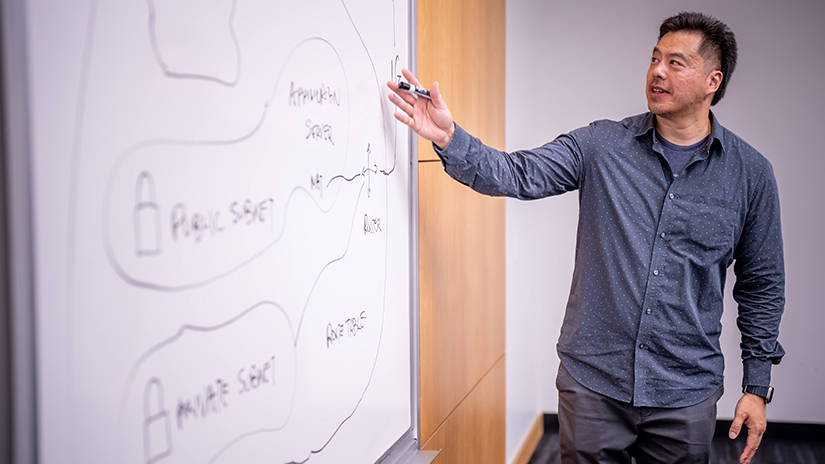
Teaching from the Cloud
Koda Kol’s life journey from a Cambodian jungle to teaching cloud computing at SMC is a story of grit, reinvention and paying it forward. Read Article
English at Work
A free SMC noncredit ESL course helps adult learners build workplace communication skills while opening doors to education and new career possibilities. Read Article

Opening Minds
Stockholm native Anja Winter developed her passion for psychology at SMC, leading her to pursue a PhD and co-author a book on psychedelic science. Read Article
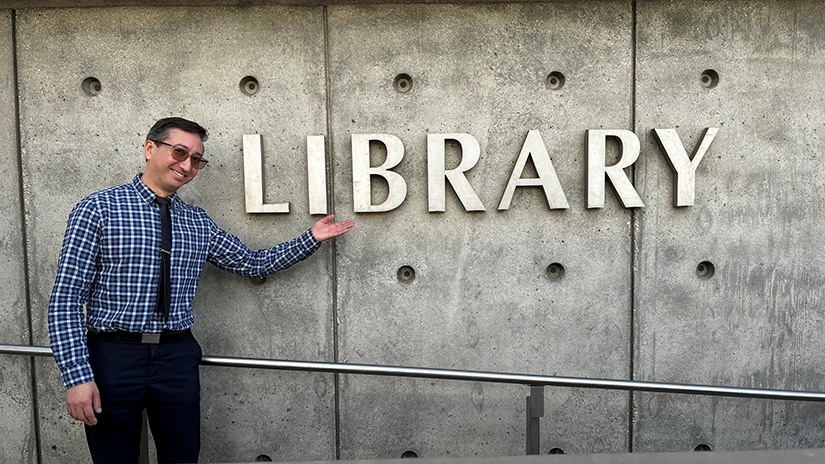
Listening, Discovering, Reimagining
Director of Library & Information Services Walter Butler did not have a ‘straight path’ into this career, but he’s found his niche, helping students succeed. Read Article
Bragging Rights
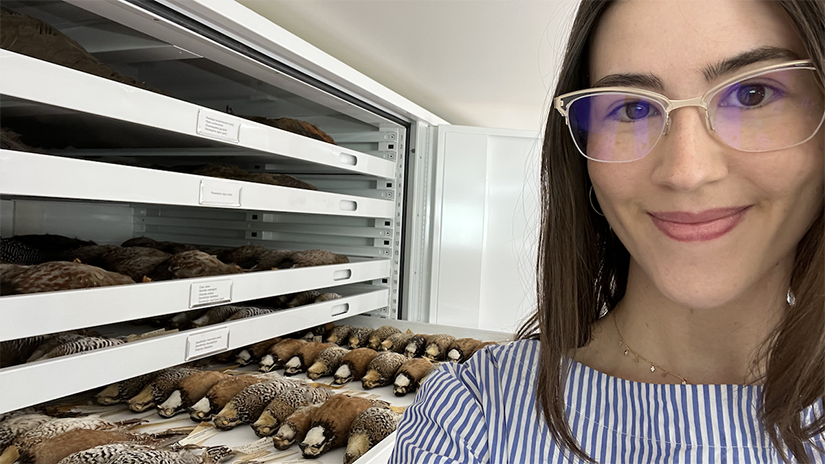
A Life Sciences prof. named elective member of the American Ornithological Society. A trustee publishes a novel. SMC Malibu flourishes. Read Article
On the Horizon: Cloud Computing
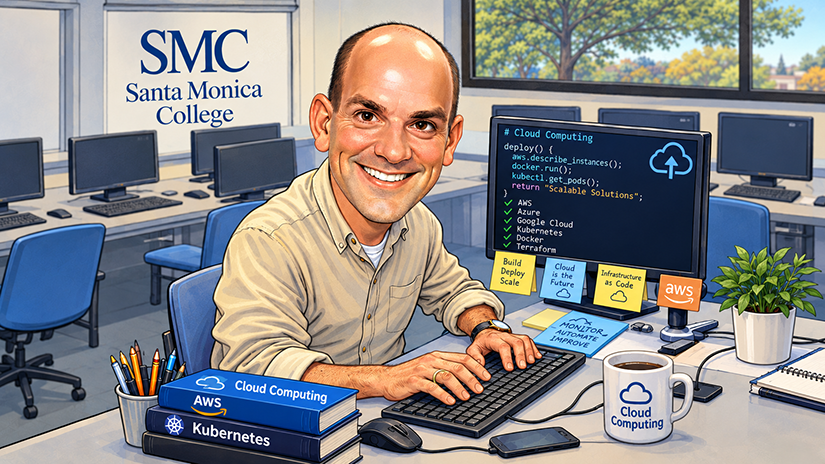
CSIS Dept. Chair Howard Stahl on the new baccalaureate degree in Cloud Computing, why it’s so relevant & what opportunities await students. Read Article